



One of the most common questions we hear is, “What’s the cost of building a house in Texas?” And while that sounds straightforward, the honest answer almost always starts the same way: it depends. What are you building, where exactly are you building it, and how much planning will you put in before construction starts?
When we first talk with a client, we’ll help to establish a realistic range.Typically, that conversation starts with size and level of finish. A custom home in today’s Hill Country market usually starts around $300 per square foot, but it’s not uncommon for that number to climb into the $400–$500 per square foot range depending on design complexity, materials, and site conditions. Let’s break down why.
The Biggest Factors That Impact Cost in the Hill Country
The answer to “What drives cost?” is yes, all of it.
But here are the big ones we see over and over again:
1. Site Conditions & Land Prep
Land in Texas Hill Country can be challenging. Site work including steep slopes, rocky soil, heavy tree coverage, and limited access roads all add cost. Excavation and engineered foundations can swing wildly depending on what’s underground.
2. Foundations & Structure
Foundation costs vary significantly based on layout and terrain. A large single-story home on rocky land can require extensive excavation and engineered solutions.
For example:
- A 10,000 sq ft home split across two floors can cut foundation costs nearly in half compared to the same square footage all on one level.
- Basements in the Hill Country are often deal-breakers. Excavation costs can quadruple the price of that square footage.
We’ve seen foundations range from $150,000 to $500,000+ depending on the site.
3. Infrastructure (Septic, Wells, Utilities)
Land costs like this are one of the biggest surprises for people moving from city lots.
- Septic systems can run $40,000–$50,000 depending on home size.
- Wells and bringing power to the site are major expenses if they’re not already in place.
If you find land that already has power, water, and septic, you’ve eliminated one of the largest cost variables in the Hill Country.
4. Labor Expenses
The Hill Country has a smaller pool of skilled trades. Quality labor is in high demand, and that affects construction costs, especially for higher-end craftsmanship.

How Layout and Structure Affect Cost
Square footage alone doesn’t tell the whole story.
- Vertical builds are often more cost-efficient than sprawling single-level layouts.
- Long, stretched-out floor plans can increase costs if plumbing, electrical, or HVAC systems have to travel extreme distances.
- Most of these challenges come down to architectural and structural engineering, not just looks.
This is why getting the right architect and builder involved early matters so much.
The Real Cost of Selections
Selections are one of the most misunderstood parts of the building process. It’s not just about choosing between two finishes and paying the difference between materials costs. Many design choices have ripple effects that impact labor, installation methods, and even other materials.
Certain finishes require specialized backing or installation techniques, which adds cost beyond the material choices themselves. It’s also important to understand that two products can look nearly identical, feel similar, and perform the same function, but one carries a recognizable brand name while the other doesn’t.
Sometimes choosing less expensive materials and finishes makes sense. Other times, it ends up costing more in the long run.
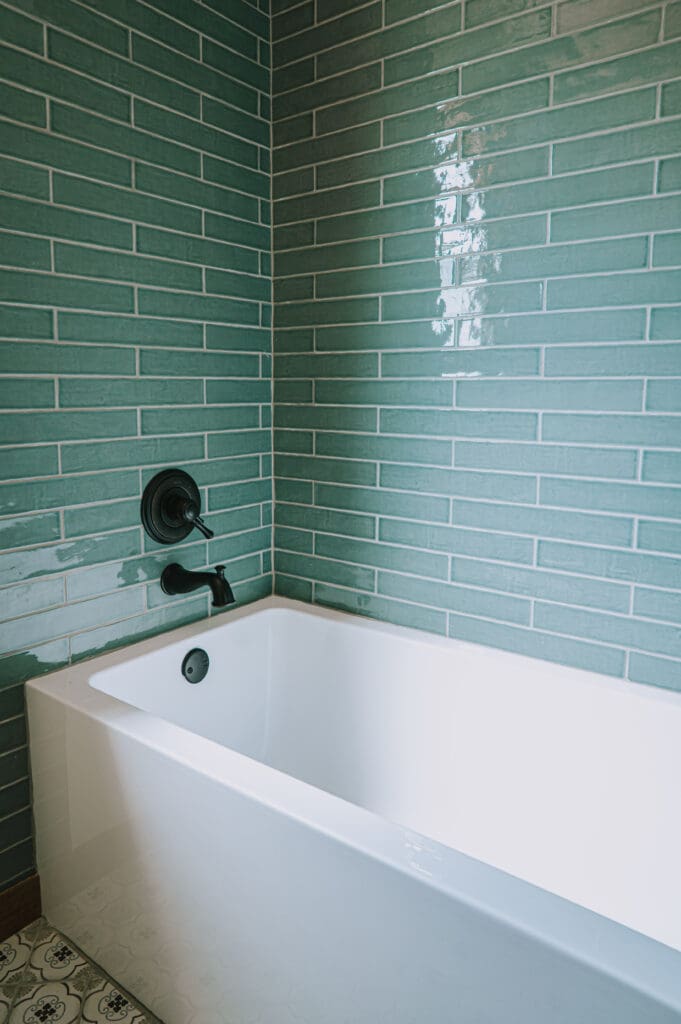
Plumbing fixtures are a great example. A higher-end faucet from a well-known manufacturer may cost more upfront, but it’s easier to repair, easier to update later, and backed by warranties from multiple levels. A cheaper alternative might save a few hundred dollars today, but if it fails, indirect costs can involve tile removal, additional labor, and little to no warranty support.
Why Mid-Project Changes Get Expensive
Changes made during construction almost always increase cost and extend the timeline. That’s not unique to custom homes, it’s just how construction works.
The best way to minimize change orders is to expect them and plan for them. That’s why we talk openly with clients about a contingency fund and timeline buffers from the very beginning.
Sometimes changes come from homeowners. Other times they come from cities, engineers, or unexpected site conditions uncovered during excavation. The more planning that happens during pre-construction, the fewer of those changes are structural or costly. What’s usually left are smaller, aesthetic adjustments that don’t derail the entire project.
Permitting, Relationships, and Regional Realities
Getting a building permit in the Hill Country tends to be more straightforward than in larger metro areas, but it’s also more relationship-driven. There’s less bureaucracy, which can be a benefit, but it also means there are fewer municipal services provided automatically.
That tradeoff makes infrastructure planning even more important. Understanding what the land does and doesn’t have before you buy can save tens of thousands of dollars down the line.
Curious about timelines? Learn more here!
Planning Wisely From the Start
If there’s one piece of advice we give clients who want to avoid surprises, it’s this: invest time and resources into pre-construction.
Having the right architect, interior designer, and builder working together early allows you to fully develop the home on paper before construction begins. The more decisions you make upfront, the more predictable your budget and timeline become, and the less stressful the entire process feels.
When pre-construction is done well, the cost of building a house in Texas becomes far less of a guessing game and far more of a strategic plan.
And that’s how custom homes should be built.
Ready to get started? Contact us today!

